Explore the gallery Leadership Sojourns The Kingdom of Bhutan This journey was a study in compassion. Not as a sentiment, but as a skill.
Across eight days, we explored Bhutan alongside political, spiritual and cultural leaders who think in terms of compassion, and saw how care shapes the way decisions are made, power is held, and the future is imagined.
Along the way, participants found themselves asking new questions about progress and their place in it.
Details 8 days | Up to 20 participants
As with every Sojourn, I interviewed and selected each participant.
Why Bhutan? Most nations optimize for production. Bhutan chose to prioritize something else.
In 1974, its leaders introduced Gross National Happiness as an alternative to GDP. Since then, the country has used that lens to shape its policies, infrastructure, education, and economy.
It’s not a perfect system. But it is a rare one; where compassion is part of how things work. Where leaders are expected to think in terms of care, balance, and long-term consequence.
The trip was a chance to step inside that experiment, learn from it, and see which parts of it we might carry home.
Highlights Impermanence & Emptiness We began with two ideas that shape nearly every aspect of Bhutanese life: impermanence and emptiness. They’re not abstract. They show up in how people relate to time, to self-worth, to change. Together, we reflected on questions that bring us closer to ourselves: Who am I? What am I looking for? Where am I avoiding care? The premise: nothing can be achieved without first fostering a deep connection with the self.
The Interconnected Self Later, we shifted outward. Who are we? How do we show up in the lives of others? What does the world ask of us? In Bhutan’s traditions, your existence is not an accident and nothing you do is inconsequential. Everything is connected. We explored how that lens reshapes responsibility, and how it might reframe each participant’s leadership.
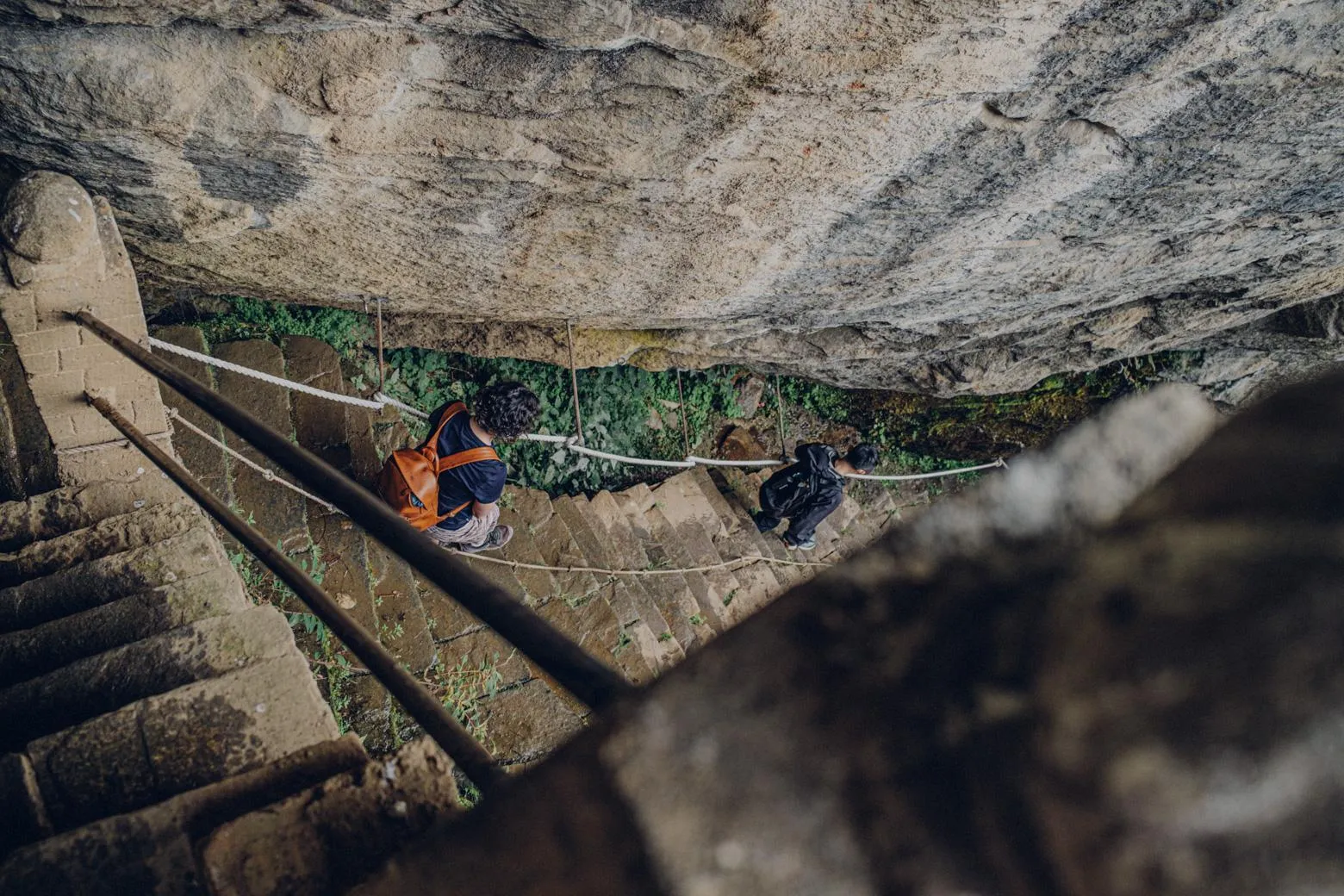
Tiger’s Nest We climbed to Taktsang, Bhutan’s most iconic monastery, built into the cliffs 10,000 feet above sea level. It’s said that in the 8th century, Guru Rinpoche flew to this spot on the back of a tigress to meditate and turn demons into protectors. The lesson embedded in the story of Tiger’s Nest, and in the act of climbing to it, is one of transformation through courage, devotion, and elevation.
A Conversation with the King The group sat in a private audience with His Majesty the King of Bhutan: a conversation about statecraft, vision, and care, led by a head of state who thinks about national leadership in emotional and ethical terms.
Time with the Rinpoches We spent time with senior spiritual leaders who’ve studied the mind for decades, informed by centuries of wisdom. Their insights on ego, distraction, pressure, and service have shaped the culture here, and offered perspectives on leadership you won’t find in business books.
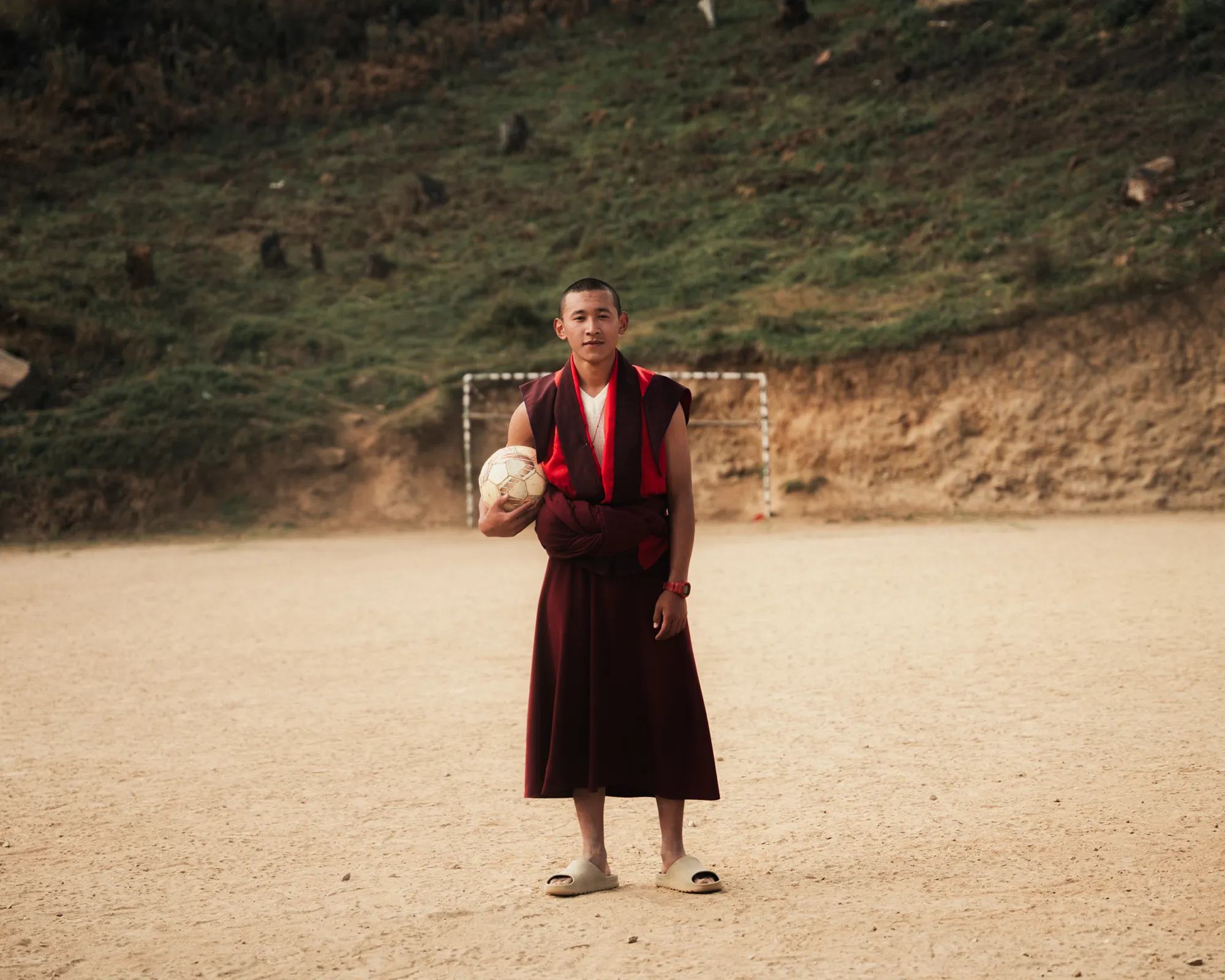
Dodedhra Monastery We spent one night at a working monastery. No guesthouse. No curated experience. Just the daily rhythm of monastic life: eating what the monks eat, rising when they rise. The stillness wasn’t empty. It was alive with discipline, care, and purpose. By morning, no one claimed to be transformed. But everyone knew what it meant to be in a place where every small act carries weight.
The Divine Madman's Temple At Chimi Lhakhang, we met the legacy of Drukpa Kunley, a 15th-century monk who taught through wine, wit, and irreverence. He believed truth was more important than manners. His lesson: compassion is not always quiet. Sometimes it comes dressed as disruption.
Photography by Alex Pflaum